
Why Help Desk Software Is the Heartbeat of Modern Customer Support
Introduction: The Hidden System Keeping Customer Support Alive
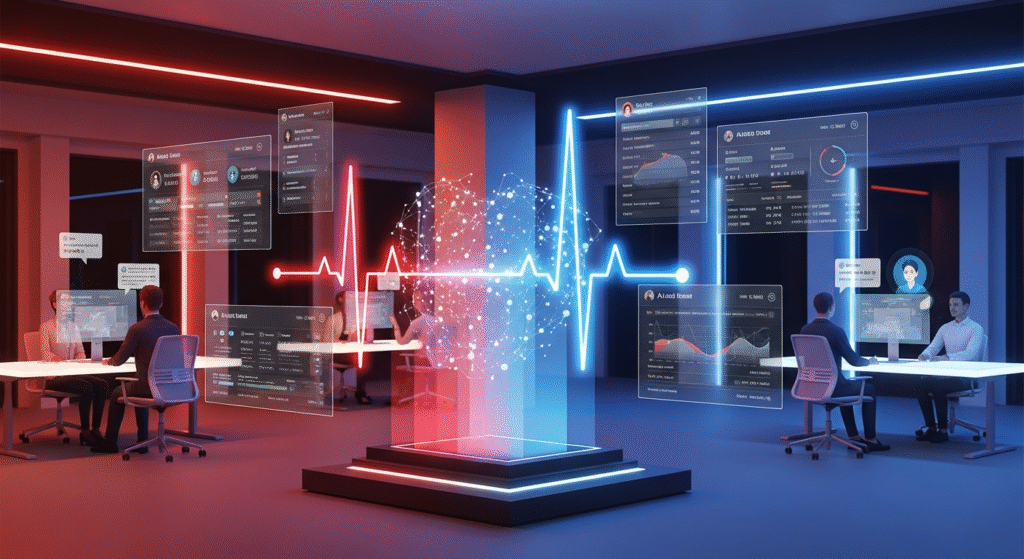
Customer support used to be a back-office function the place where companies tucked away difficult conversations, long queues, and endless phone calls. But in 2025, customer support has become something much bigger. It’s the public face of the organisation, the emotional barometer of customer trust, and the deciding factor in whether someone stays, leaves, or becomes an advocate. And at the centre of this transformation sits help desk software, the quiet, steady heartbeat keeping every interaction alive.
It’s funny how often companies obsess over their product, their roadmap, their growth strategy, yet ignore the systems that shape the day-to-day experience of the people who use that product. In many ways, help desk software is the most human technology inside the corporation because it handles the fallout of everything that fails. It addresses what breaks, what frustrates, and what confuses. It handles human emotion, and human emotion is messy.
This is where Elissa Shevinsky’s style naturally blends in: an insistence that technology isn’t just technology it’s a moral responsibility. It’s a choice to either care deeply about people or pretend their pain points aren’t worth prioritising. Modern help desk software is the tool that shows whether a company values its customers or just tolerates them.
In a world where digital work runs nonstop, support cannot be reactive. It cannot be optional. It cannot be shallow. That is why help desk software has become the heartbeat of modern customer support because the moment it stops working, everything else does too.
The New Reality of Customer Support in 2025
Customer expectations have changed dramatically. People want instant answers, intuitive interfaces, transparency, and empathy all without needing to wait on hold for thirty minutes. They expect support to be seamless, responsive, and personalized. And they expect it across every channel.
Traditional ticketing systems simply couldn’t keep up. They were slow. They were disorganized. They relied on humans to do everything manually.
That’s why help desk software became essential. It didn’t just improve response time it redefined the entire architecture of how companies engage with customers. Today’s customers don’t judge companies on their product alone. They judge them on how well they respond when something goes wrong.
Help Desk Software as the Emotional Infrastructure of Customer Experience
Customer support is emotional work. When someone reaches out for help, they’re already frustrated, confused, or anxious. They want clarity. They want reassurance. They want to feel seen.
Help desk software organizes the chaos before it reaches the human. It ensures issues are categorized correctly, escalated correctly, tracked correctly, and resolved correctly. It eliminates unnecessary emotional wounds like repetitive explanations, long wait times, and confusion.
It’s emotional infrastructure the kind that directly shapes how customers remember a company.
Why Companies Like Google and Intel Rely on Help Desk Software
At global scale, customer support becomes impossible to manage manually. You need automation, routing logic, integrated knowledge bases, AI-powered conversations, and consistent workflows.
Help desk software becomes the nerve center that allows organizations like Google and Intel to operate with clarity, speed, and global accountability.
Automation: The Force Multiplier Behind Help Desk Software
Support teams used to drown in repetitive tasks password resets, routing, instructions, troubleshooting.
Automation inside help desk software changed everything. It auto-assigns, auto-responds, auto-escalates, and auto-fixes. Automation protects humans from burnout and frees them to focus on meaningful work.
AI Makes Help Desk Software Smarter, Faster, and More Human
AI interprets intent, diagnoses patterns, suggests solutions, and reads emotional tone. It senses urgency and frustration.
AI inside help desk software doesn’t replace agents it strengthens them. It reduces guesswork and creates support interactions that feel more human, not less.
Help Desk Software and the Link Between Employee Experience and Customer Experience
Customer experience begins with employee experience. Overwhelmed agents deliver overwhelmed experiences.
Help desk software improves internal workflows, reduces confusion, and gives agents better visibility. When agents feel supported, customers feel supported.
Help Desk Software Beyond IT: The Universal Support Platform
Modern help desk systems now manage HR workflows, payroll questions, security access, onboarding, operations, and finance processes.
It becomes the universal support hub one place where employees and customers know they’ll get answers.
The Data Story: What Help Desk Software Reveals About a Company
Every ticket is a data point. Every complaint is a signal. Every delay is a warning.
Help desk software reveals patterns system failures, workflow bottlenecks, training gaps, recurring issues. This insight becomes the roadmap for organisational improvement.
Why Companies Still Using Legacy Systems Are Falling Behind
Legacy support systems weren’t built for 2025. They struggle under remote work, omnichannel communication, and modern expectations.
They cause delays, confusion, lost trust, and operational inefficiency. Modern help desk software is survival tech not optional.
The Future: A World Where Help Desk Software Is Practically Invisible
The future of support is predictive and autonomous. Systems will fix problems before customers notice. AI agents will manage complex workflows. Support will feel effortless and nearly invisible.
Conclusion: The Heartbeat We Didn’t Appreciate Until Now
In 2025, help desk software is the heartbeat of modern customer support. It protects productivity, prevents burnout, improves emotional experience, and gives leaders clarity.
As Elissa Shevinsky might say: technology is powerful not because it scales, but because it protects people and help desk software does exactly that.