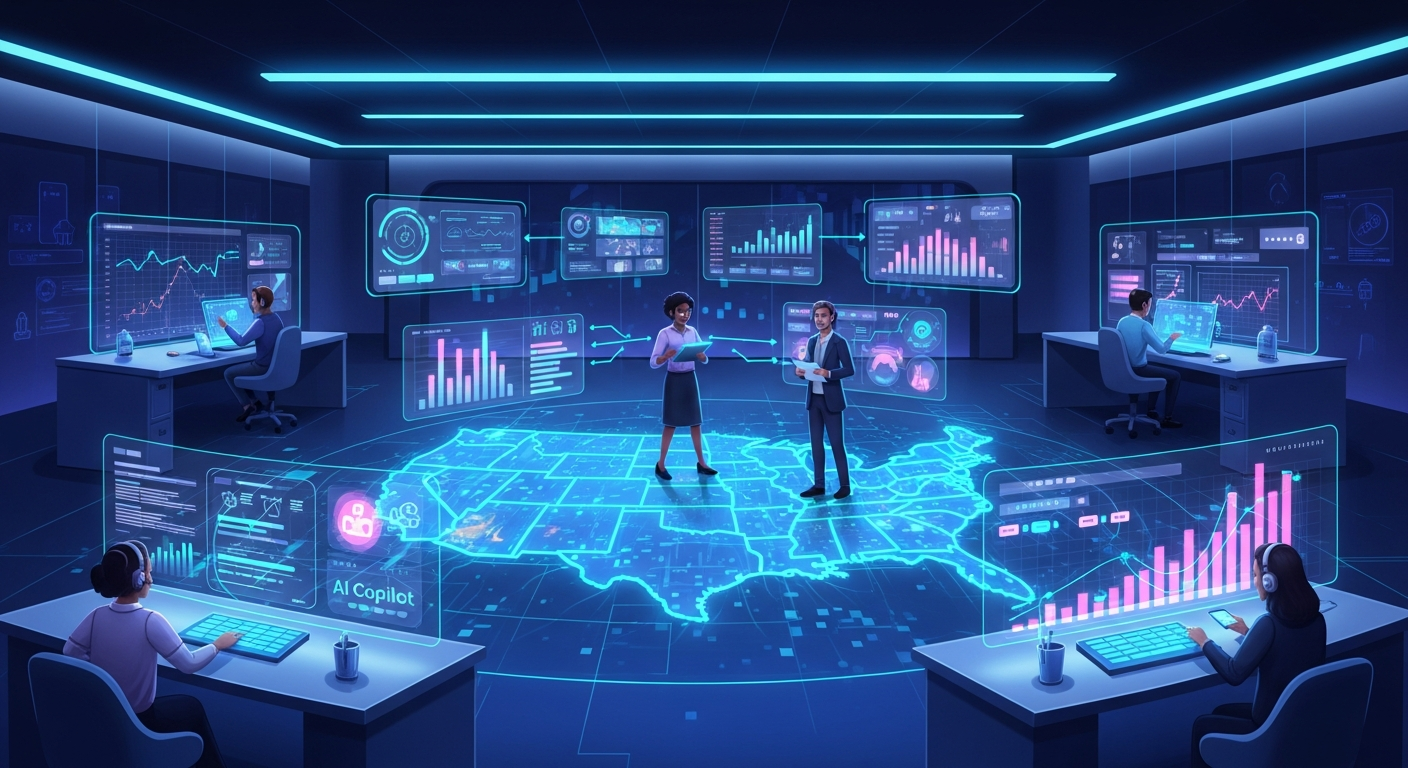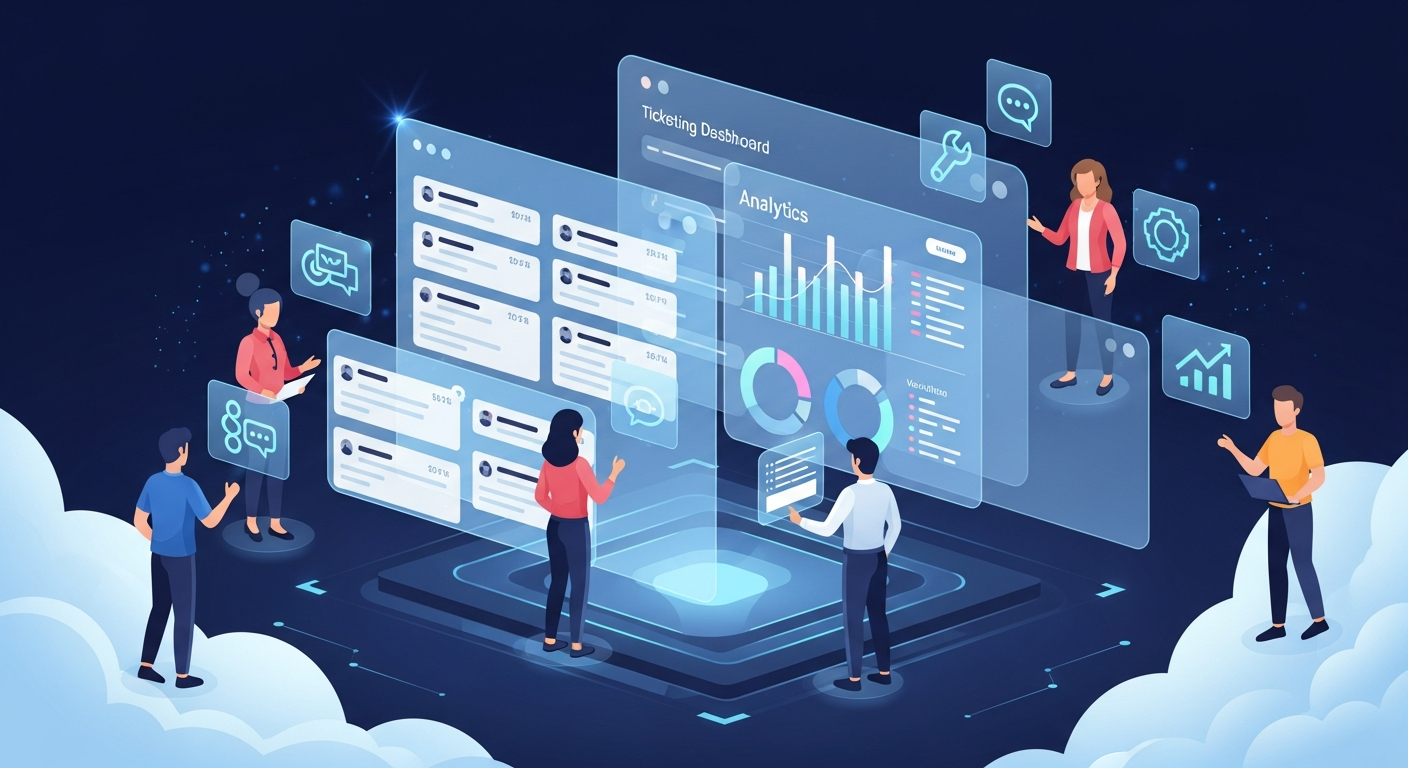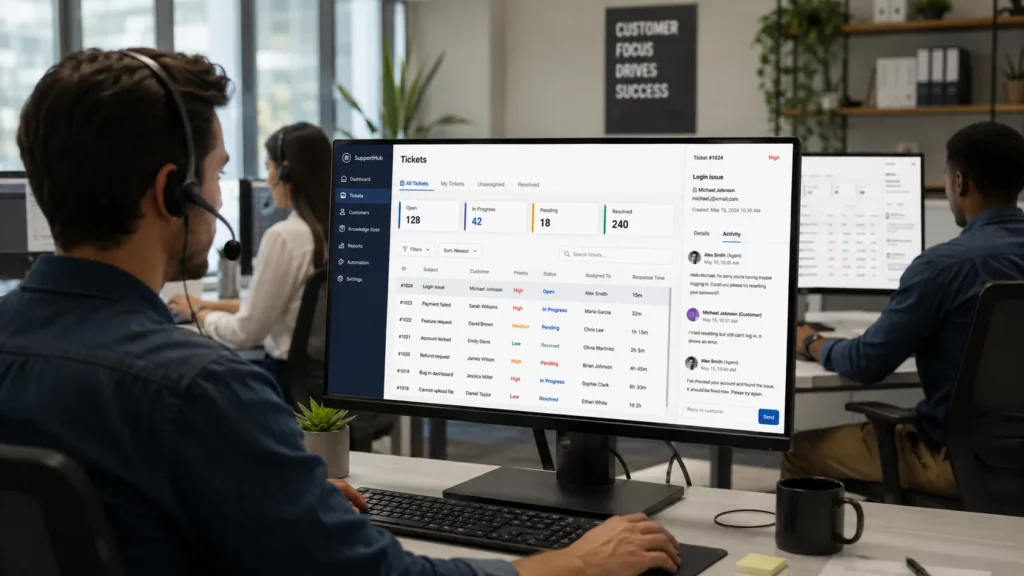
Introduction: Where Productivity Really Begins Inside an Enterprise Every organisation loves to talk about innovation. You hear constant chatter about AI pilots, automation roadmaps, cloud migration milestones, and new digital transformation initiatives. But behind all this noise sits a quieter force that actually keeps the day‑to‑day operations running. It doesn’t get applause, it doesn’t get a line item in press releases, and it rarely gets a spotlight. Yet without it, everything would grind to a halt. That force is the modern category of help desk solutions. In 2025, these systems will have evolved into the operational backbone that holds an enterprise together. When they work well, the entire organisation moves with clarity and momentum. When they fail, people feel it immediately: productivity dips, teams stall, and business outcomes suffer. Help desk solutions are the difference between a workforce that flows and a workforce that struggles. Why Help Desk Solutions Matter More Than Ever in 2025 The modern workplace is large, messy, and distributed in ways we couldn’t have imagined a decade ago. Employees don’t just log in from one place. They move across tools, devices, cloud platforms, and networks constantly. Something always breaks a login, a system, a workflow, an integration, or a device. And when it does, people don’t have the luxury of waiting around. They expect help instantly. This is the environment in which help desk solutions have become more essential than ever. They are the systems that stabilise chaos before it escalates, the quiet infrastructure that absorbs the daily shocks of digital work. Organisations today rely on speed, but speed is impossible without resilience. Help desk solutions supply that resilience, ensuring that even when everything else becomes more complex, employees still have a dependable path forward. Help Desk Solutions as the Central Nervous System of the Enterprise If you think of the enterprise as a living body, help desk solutions function very much like the nervous system. They detect pain the moment it appears, send signals to the right areas, coordinate response, trigger healing, and prevent small issues from turning into larger problems. That’s exactly how modern help desk solutions operate. They connect IT, HR, finance, security, operations, and facilities into a unified support network. Issues no longer get lost in silos or buried in email chains. Instead, help desk solutions create a single view of what’s happening inside the organisation. Leaders can see which departments are struggling, which systems are failing, and where employees need intervention. This centralised clarity is invaluable. It’s what keeps a growing, evolving enterprise functioning with confidence. Automation: The Quiet Power Behind Modern Help Desk Solutions Most people underestimate just how dramatic the shift toward automation has been in enterprise support. A decade ago, support teams spent most of their time repeating the same tasks, resetting passwords, fixing basic software issues, reconfiguring devices, and routing requests to the right technician. Modern help desk solutions have rewritten that script completely. Automation now takes care of the bulk of repetitive work. Password resets happen automatically. Ticket routing is instant and intelligent. Systems identify common patterns and trigger pre‑built workflows. Devices resolve their own configuration problems. Approvals flow without needing someone to push them manually. This transformation doesn’t just save time; it changes the role of the help desk entirely. Instead of reacting, teams now design systems that prevent problems. Instead of fighting fires, they build structures that make fires far less likely. Automation turns help desk solutions into a quiet but powerful engine that pushes productivity forward every single day. AI-Powered Help Desk Solutions: Where Support Takes a Leap Forward AI is reshaping help desk solutions in ways that feel almost intuitive once you see them in action. Artificial intelligence doesn’t just automate tasks; it interprets, predicts, and adapts. AI can look at ticket patterns and identify the early signs of a system‑wide issue before anyone reports it. It can guide employees through a troubleshooting process in plain language. It can understand sentiment, recognising when someone is frustrated and needs escalation. It can look at device logs and pinpoint problems that human technicians would take hours to find. Forward‑thinking enterprises like Intel and Google have already embraced AI‑assisted help desk solutions because they remove friction so effectively. Instead of waiting for problems to spread, AI steps in at the first sign of trouble. Instead of treating every request as equal, AI understands context and urgency. The result is less downtime, faster response, and a workforce that feels supported rather than stuck. Help Desk Solutions and Employee Experience: The New Productivity Lever Employee experience used to be considered an HR concern. In 2025, it became a company‑wide performance indicator. People expect their digital environment to work smoothly, instantly, and consistently. It doesn’t matter whether they’re in an office, at home, or travelling. When something breaks, they want clarity, not confusion. Help desk solutions now serve as the frontline of employee experience. The best ones provide self‑service tools that empower people to solve many issues on their own. They offer clean, intuitive portals where employees can see exactly what’s happening with their request instead of feeling like their issue has disappeared into a void. They support mobile workflows, enabling instant updates even when someone is away from their laptop. This combination of convenience and transparency reduces stress, speeds up work, and builds trust. When help desk solutions elevate employee experience, productivity rises as a natural outcome. Help Desk Solutions Are No Longer Just an IT Function One of the biggest shifts in the enterprise support landscape is the way help desk solutions have expanded beyond IT. Today, they support HR onboarding, finance approvals, compliance checks, security access requests, travel arrangements, facilities management, procurement processes, and more. Instead of navigating a maze of emails or messaging chains, employees go to one place, the help desk solution, to get what they need. This unified approach simplifies work dramatically. It also gives organisations a clearer map of how internal operations really function. Bottlenecks become visible. Delays become measurable.